SE19 flat deep cleaning checklist for Upper Norwood residents
If you live in Upper Norwood and your flat has reached that point where a quick tidy just is not cutting it, this guide is for you. A proper SE19 flat deep cleaning checklist for Upper Norwood residents helps you tackle the grime that hides in plain sight: behind taps, around skirting boards, under appliances, and in the places you only notice when the afternoon light hits the room just right. Truth be told, most flats do not need more effort in random places; they need a clear order of work.
This article walks you through what deep cleaning really means, why it matters in SE19 homes, how to approach each room, and what a good finished result actually looks like. You will also find practical tips, common mistakes, a realistic comparison of cleaning methods, and a straightforward checklist you can use before you stop for tea.
Expert summary: The most effective flat deep clean is not about scrubbing everything harder. It is about cleaning in the right sequence, using the right tools, and giving extra attention to high-touch, hard-to-reach, and moisture-prone areas.
Why SE19 flat deep cleaning checklist for Upper Norwood residents Matters
Upper Norwood flats come in all shapes and ages, from compact conversions to purpose-built apartments, and that variety is exactly why a deep clean checklist matters. Older properties can gather dust in awkward corners, while newer flats often need help with extractor fans, limescale, and built-up kitchen residue. A broad surface clean can make a place look presentable, but it rarely reaches the bits that affect hygiene, smell, and long-term upkeep.
There is also the simple reality of daily life. If you are juggling work, family, a busy commute, or a rental move, cleaning can slip into a cycle of "I'll do it properly next weekend." We have all been there. Then the weekend arrives, and suddenly the job feels twice as big as it did on Wednesday evening.
A good checklist gives you control. It breaks a big job into smaller, sensible actions. It also helps you avoid the classic trap of spending 40 minutes polishing a worktop while the oven, shower screen, and skirting boards still need attention. To be fair, that happens to most people at some point.
For SE19 residents, the checklist is especially useful because flats often have limited storage, shared ventilation challenges, and mixed flooring types. A one-size-fits-all clean is rarely enough. The right approach keeps dust down, helps the flat feel fresher, and can make the space more comfortable in a way you notice as soon as you walk in.
How SE19 flat deep cleaning checklist for Upper Norwood residents Works
The cleanest results usually come from a top-to-bottom, dry-to-wet, room-by-room method. That sounds a bit neat and tidy on paper, but it works because it prevents you from re-cleaning areas you have already finished. Start with clutter removal, then dusting, then surfaces, then fixtures, and finish with floors. If you do it in a different order, you will likely chase crumbs and dust around the flat for no good reason.
In a typical Upper Norwood flat, the work usually falls into five stages:
- Prepare the space by opening windows, removing clutter, and gathering supplies.
- Loosen dust and debris from shelves, ledges, vents, and corners.
- Clean high-use zones such as the kitchen, bathroom, handles, switches, and touchpoints.
- Work through detailed areas like appliances, grout, taps, and behind movable furniture.
- Finish with floors and final checks so the flat feels genuinely reset.
That structure matters because a deep clean is not just about appearance. It is about reducing the build-up that makes a flat feel sticky, stale, or harder to maintain. When done well, you will notice cleaner air, brighter surfaces, and fewer "I should really sort that out" moments every time you pass the kitchen.
If you are unsure whether to do it yourself or book help, a professional deep cleaning service is often the most efficient option for larger jobs or time-sensitive resets. For lighter upkeep between deep cleans, one-off cleaning and regular domestic cleaning can keep things manageable.
Key Benefits and Practical Advantages
A deep-clean checklist delivers more than a nice finish. It gives you a better chance of keeping your flat under control long term. That is the bit people often miss. The immediate glow is lovely, yes, but the real value is in how much easier the place is to maintain afterwards.
- Better hygiene: built-up grease, soap film, and dust are removed from hidden and high-touch areas.
- Improved comfort: the flat smells fresher and feels calmer, which sounds small until you live with it.
- Longer-lasting surfaces: regular deep attention helps protect grout, taps, flooring, and appliances.
- Less stress before moves or guests: you are not scrambling the night before with a cloth and a prayer.
- More efficient everyday cleaning: once the base level of grime is gone, weekly upkeep takes less effort.
There is also a practical financial angle. If you are renting, a well-cleaned flat may help you avoid unnecessary disputes at the end of a tenancy. If you own your home, it simply keeps the property in better shape. Either way, the benefit is real.
And yes, some jobs are just easier with the right specialist help. Items like carpets, ovens, upholstery, and windows can take a deep clean to another level. Services such as carpet cleaning, oven cleaning, and window cleaning often save time where a standard wipe-down falls short.
Who This Is For and When It Makes Sense
This checklist is useful for more people than you might think. It is not only for tenants moving out or homeowners preparing for guests. In practice, it helps anyone who has let things slide a little and wants to get back to a clean baseline without making the whole weekend disappear.
It makes particular sense if you are:
- moving into a new SE19 flat and want to start fresh;
- moving out and need the place to look cared for;
- coming back after renovations or decorating;
- getting ready for a family visit, celebration, or long-stay guest;
- trying to reset a flat after a busy season of work, illness, or travel;
- running a short-let or periodically occupied flat and want a dependable standard.
There is a point where cleaning stops being a quick household task and becomes a full reset. If that sounds familiar, it may be time for a more structured service such as house cleaning or, for smaller flats and regular support, home cleaners.
For people who are clearing space before or after a major tidy-up, house clearance can also be part of the process. Not glamorous, I know. But incredibly useful when cupboards are overflowing and the flat feels crowded before the clean has even started.
Step-by-Step Guidance
Here is a practical room-by-room approach for a flat deep clean in Upper Norwood. You do not need to do everything at once, but you do need a proper order. That is the difference between a tidy finish and a tiring afternoon of rework.
1. Start with preparation
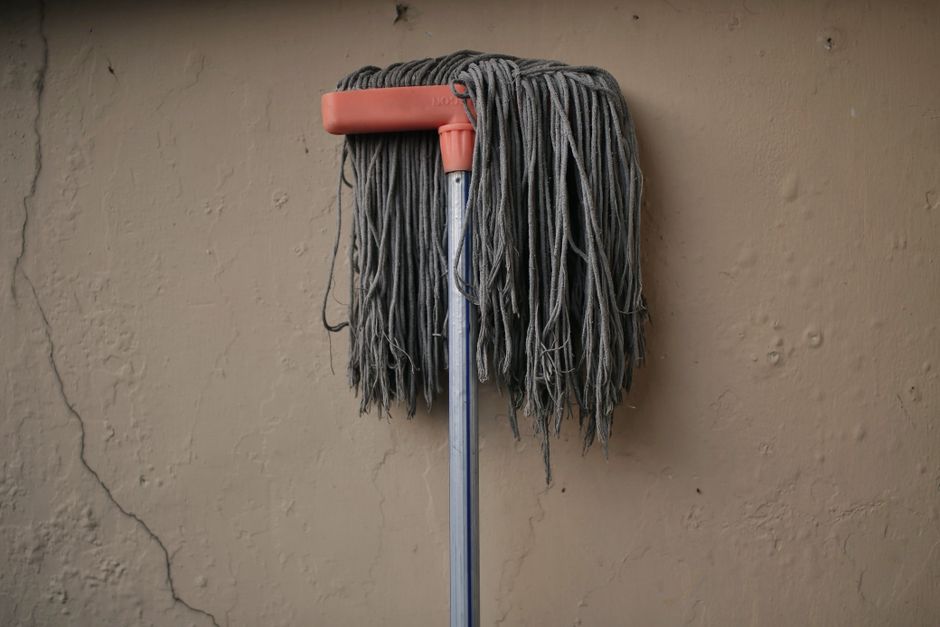
Open windows if weather allows. Gather cloths, a mop, a vacuum, a bucket, gloves, and your cleaning products. Remove obvious clutter first. The less you keep moving from place to place, the better. A deep clean begins with clear surfaces and clear floors.
2. Dust from top to bottom
Dust light fittings, shelves, picture rails, curtain tops, door frames, and vents before touching lower surfaces. If you dust skirting boards before shelves, you will only end up doing them again. It is one of those mildly annoying truths of cleaning.
3. Tackle the kitchen in detail
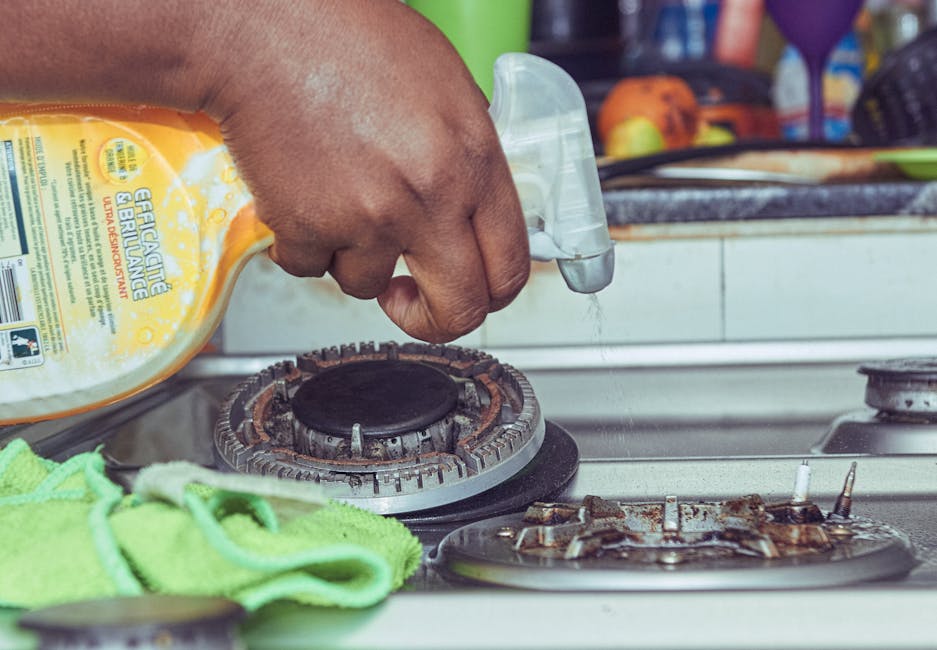
The kitchen usually needs the most attention. Clean cupboard fronts, handles, splashbacks, sink edges, taps, and behind small appliances. Degrease extractor hoods, wipe the top of the fridge, and clean the hob carefully. If the oven is heavily used, consider a proper oven cleaner or a specialist service so the job is not half done.
Do not forget the inside of the microwave, the bin area, and the seals around the fridge and freezer. Those small zones are exactly where smells and residue hang about.
4. Deep clean the bathroom
Bathrooms reward patience. Remove soap residue from tiles, clean around taps, descale shower heads and screens, and scrub the grout where dirt collects. Pay attention to the base of the toilet, the sealant edges, and the underside of the sink. If the flat has hard flooring in the bathroom or hallway, a hard floor cleaning approach may help remove dullness and sticky build-up.
For flats with significant limescale or repeated moisture issues, wipe the bathroom down thoroughly and let surfaces dry before you close the door. That little bit of airflow makes a difference, especially in older SE19 buildings.
5. Refresh living spaces and bedrooms
Vacuum under furniture where possible, clean skirting boards, wipe switches, and dust shelves, lamps, and window ledges. If you have soft furnishings, think about whether they need more than a quick vacuum. A proper sofa cleaning or upholstery cleaning can remove the tired look that regular dusting never quite solves.
Bedrooms often get overlooked because they look "clean enough." But a few minutes spent on bed frames, wardrobe tops, under-bed dust, and window frames can make the room feel more restful straight away.
6. Clean windows, mirrors, and glass
Natural light reveals everything, which is both useful and slightly unforgiving. Wipe mirrors, interior glass, and window surfaces so the room looks brighter. In a flat, clean glass can genuinely change how spacious a room feels. Odd, but true.
7. Finish with floors
Vacuum every room carefully, moving slowly along edges and under furniture where possible. Then mop or treat floors according to the surface. If the flat has a mix of carpet and hard flooring, deal with each properly rather than using one method for everything. A carpet held to a hard-floor standard will be unhappy, and vice versa.
For carpeted rooms, a dedicated carpets cleaner can help when dust, pet hair, or old marks need more than vacuuming. For a broader approach, carpet cleaner support can be useful in flats where the flooring takes most of the daily wear.
Expert Tips for Better Results
Small decisions make a big difference in a deep clean. In our experience, the flats that end up looking truly fresh are the ones where the person cleaning slowed down in the right places instead of rushing to "finish."
- Work clean to dirty, dry to wet. It prevents smearing and rework.
- Let products sit for a moment. On grease and limescale, dwell time matters more than elbow grease.
- Use two cloths when possible. One for dirtier tasks, one for finishing touches.
- Check around handles and switches. These tiny areas can make an entire room feel grubby if missed.
- Lift and shift small items. Soap bottles, trays, bins, and plant pots often hide surprisingly stubborn grime.
- Ventilate after wet cleaning. It helps surfaces dry properly and reduces that closed-in smell.
Here is a simple one: clean the room as if someone is about to walk in with very nosy eyes. That sounds slightly dramatic, but it is an effective test. If it would pass that test, you are usually in good shape.
If your flat has been affected by dust from works or decorating, it may be worth pairing your checklist with after builders cleaning. Post-work dust is sneaky. It gets into places you did not even know had places.
Common Mistakes to Avoid
Most deep-clean problems come from rushing, skipping preparation, or using the wrong method for the surface. The fix is usually simple, but only if you spot the mistake early.
- Cleaning in the wrong order: floors first, shelves later, and you will be chasing dust forever.
- Using too much product: more is not always better; residue can attract more dirt.
- Ignoring hidden spots: behind radiators, under taps, and around bins are classic misses.
- Mixing different chemicals: this is unsafe and unnecessary. Stick to one product at a time and follow the instructions.
- Forgetting to rinse or wipe after cleaning: leftover cleaner can leave streaks or sticky patches.
- Trying to do everything in one frantic burst: that usually ends in fatigue, not finesse.
Another common issue is failing to set a realistic standard. A deep clean does not mean every surface must look brand new forever. It means the flat is hygienic, fresh, and properly reset. That distinction matters. A lot.
Tools, Resources and Recommendations
You do not need a mountain of equipment to deep clean a flat well, but you do need the basics in good working order. Cheap tools can waste time if they smear, shed, or fall apart halfway through. Been there. Not ideal.
| Area | Useful tools | What to look for |
|---|---|---|
| Kitchen | Degreaser, microfibre cloths, non-scratch pads, scrub brush | Something strong enough for grease but safe on finishes |
| Bathroom | Descaler, toilet brush, grout brush, cloths | Products suitable for tiles, taps, and seals |
| Living areas | Vacuum, dusting tool, upholstery brush | Good reach for corners and soft furnishings |
| Floors | Mop, floor-safe cleaner, vacuum attachments | Products matched to carpet, wood, laminate, or tile |
| Windows and glass | Glass cloth, spray, squeegee | Streak-free finish and lint-free cloths |
For recurring support, some residents prefer regular cleaners rather than tackling every deep clean alone. Others prefer a single reset and then maintain it themselves. Either approach is valid. The right choice depends on your time, your budget, and how fast the flat gets messy again.
If you are comparing professional help, it is sensible to review pricing and quotes carefully and check the company's insurance and safety information. That is not over-cautious; it is just sensible housekeeping, if you will pardon the phrase.
Law, Compliance, Standards, or Best Practice
For most home cleaning, there is no special legal process attached to a deep clean. Still, good practice matters. In the UK, cleaning products should be used according to their labels, and homes should be ventilated when strong products are being used. If a job involves ladders, electrical appliances, or potentially slippery floors, care becomes even more important.
For landlords, tenants, and letting situations, expectations can vary by tenancy agreement and property condition. It is worth reading the agreement carefully and keeping the clean practical and well documented. Do not guess at what "professionally cleaned" means. Ask for clarity if needed.
Where a professional cleaning company is used, readers should look for clear policies on service delivery, complaints handling, payment security, accessibility, and privacy. Helpful pages such as about us, terms and conditions, privacy policy, and payment and security help build trust before you book anything.
Environmentally minded residents may also want to look at recycling-aware practices and product use. A company's approach to waste and materials, such as the information on recycling and sustainability, can be a useful sign that the operation is thinking beyond the obvious.
Options, Methods, or Comparison Table
If you are deciding how to approach a flat deep clean, the most useful comparison is between doing it yourself, booking a one-off service, or arranging ongoing cleaning support. Each option has its place.
| Approach | Best for | Pros | Trade-offs |
|---|---|---|---|
| DIY deep clean | Smaller flats, flexible schedules, budget-conscious households | Lower direct cost, full control, can be done in stages | Time-consuming, easy to miss hidden areas, physically demanding |
| One-off professional clean | Move-ins, move-outs, resets after neglect or events | Fast results, more thorough, less effort for you | Higher upfront spend than DIY |
| Ongoing domestic support | Busy households that need consistent upkeep | Keeps the flat under control, easier maintenance | Not always enough on its own for a neglected flat |
For many Upper Norwood residents, the sweet spot is a deep clean first and then lighter routine cleaning afterwards. That combination is often much easier to live with than trying to perform miracles every month.
If you are comparing more specialist options, services like end of tenancy cleaning, carpet cleaning, and cleaning company support can be part of a broader plan rather than separate jobs.
Case Study or Real-World Example
Picture a two-bedroom SE19 flat near the high street, with a compact kitchen, a tiled bathroom, one carpeted bedroom, and a living room that gets afternoon light. After a busy few months, the flat is not dirty in the dramatic sense, but it has that dull, lived-in layer: a bit of grease on the cooker hood, dust along the skirting boards, marks around the bathroom taps, and a sofa that looks slightly tired.
The clean starts with the kitchen, because once that is done the flat already feels more manageable. Cupboard fronts are wiped, the hob is degreased, the sink is descaled, and the microwave is cleaned inside. Then the bathroom gets a detailed pass, especially the grout and shower screen. Next come the living room and bedrooms, where dust is lifted from shelves, switches, and windowsills.
The last stage is the floorwork. The carpeted bedroom is vacuumed slowly and thoroughly, with extra attention to corners and under the bed. The hallway and kitchen floor are cleaned separately because they need different care. By the end, the flat does not just look cleaner. It feels easier to live in. That subtle change is often what people remember most.
That is usually the moment residents realise a deep clean is not a luxury. It is a reset button.
Practical Checklist
Use this checklist as a simple working guide. Tick each item off as you go, and do not worry if you split the job over two sessions. That is perfectly normal.
- Open windows for ventilation where practical.
- Clear clutter from floors, worktops, and surfaces.
- Gather cloths, vacuum, mop, gloves, and cleaners.
- Dust high points first: shelves, lights, ledges, vents.
- Wipe door frames, skirting boards, switches, and handles.
- Clean kitchen cupboard fronts and splashbacks.
- Degrease hob, extractor area, and surrounding surfaces.
- Deep clean sink, taps, and drain edges.
- Clean oven, microwave, and fridge exterior.
- Scrub bathroom tiles, grout, taps, shower screen, and toilet base.
- Vacuum sofas, chairs, and soft furnishings where needed.
- Clean mirrors, interior glass, and window ledges.
- Vacuum under furniture and along room edges.
- Mop or treat hard floors using the right product.
- Check for missed spots, streaks, or lingering marks.
- Empty bins and replace liners.
- Air the flat once the work is done.
If you want a more formal cleaning schedule after the deep clean, you can then move into lighter weekly upkeep or book targeted help for problem areas. A short reset plan often works better than trying to be spotless forever. Nobody really lives like that, despite what tidy social media suggests.
Get a free quote today and see how much you can save.
Conclusion
A well-planned SE19 flat deep cleaning checklist for Upper Norwood residents takes the mystery out of a big, messy job. Instead of cleaning randomly and hoping for the best, you work through the flat in a sensible order, paying attention to the places that actually make the biggest difference. That is what creates the fresh, comfortable feeling people want.
Whether you are preparing to move, trying to recover after a hectic period, or simply tired of seeing dust gather in the same corners, the right checklist gives you a clean start. And once the space is back under control, it tends to stay that way more easily. Small reliefs like that matter, honestly.
If you keep it practical, use the right tools, and know when to bring in professional help, the job becomes much less daunting. One room at a time. One surface at a time. It all adds up.
By the end, you should not just have a cleaner flat; you should have a calmer one. That is the bit worth aiming for.
Frequently Asked Questions
What should be included in a flat deep cleaning checklist in SE19?
A solid checklist should cover kitchen degreasing, bathroom descaling, dusting high and low surfaces, cleaning skirting boards, windows, switches, handles, and finishing with floors. It should also include hidden areas like behind appliances and under furniture.
How often should Upper Norwood residents deep clean a flat?
That depends on lifestyle, flat size, pets, children, and how much traffic the home gets. Many people do a deeper reset a few times a year, then keep on top of things with regular weekly cleaning. If life is busy, a one-off clean can bridge the gap nicely.
Is deep cleaning the same as regular cleaning?
No. Regular cleaning keeps surfaces tidy and hygienic from week to week. Deep cleaning goes further into the build-up that accumulates in edges, corners, fixtures, and neglected spots. It is more detailed and usually takes longer.
Should I clean the kitchen or bathroom first?
Most people start with the kitchen because grease and food residue can be the most time-consuming. That said, if the bathroom is in a worse state, it may make sense to tackle that first while you have the most energy. The key is to decide before you begin and stick to the sequence.
Can I deep clean a flat myself, or should I hire help?
You can absolutely do it yourself if you have time, energy, and the right equipment. Hiring help makes more sense when the flat is large, the timeline is tight, or the job includes heavy oven, carpet, or upholstery work. Sometimes a mix of both is the smartest option.
What are the hardest parts of a flat deep clean?
Kitchens and bathrooms usually take the most effort because of grease, limescale, soap residue, and moisture build-up. Appliances, grout, extractor fans, and behind furniture are also common trouble spots.
Do I need professional carpet or upholstery cleaning too?
Not always, but it helps when carpets or furniture hold onto smells, pet hair, or visible marks. For flats with tired soft furnishings, dedicated cleaning can make the whole room feel fresher than a vacuum alone ever could.
What should tenants in SE19 focus on before moving out?
Tenants should focus on kitchens, bathrooms, floors, window ledges, appliances, and any obvious stains or residue. End-of-tenancy situations often need a higher standard than everyday upkeep, so detail matters more than usual.
How do I know if a cleaning company is trustworthy?
Look for clear information about who they are, how they handle payments, what their terms are, and whether they explain health and safety properly. Pages like about us, terms and conditions, payment and security, and insurance and safety are useful signs that the company takes accountability seriously.
What is the biggest mistake people make with deep cleaning?
The biggest mistake is usually trying to clean in a rushed, random order. That leads to rework, missed spots, and frustration. A checklist solves a lot of that straight away.
Can a deep clean help a flat feel less dusty or stuffy?
Yes, especially if you clean vents, dust ledges, vacuum carefully, and air the flat properly afterwards. It will not change the building itself, of course, but it can make a noticeable difference to how the space feels day to day.
What should I check after the deep clean is finished?
Do a final walk-through in good daylight if you can. Check corners, taps, mirrors, skirting boards, under appliances, and around handles. It is usually the small missed details, not the big surfaces, that stand out last.